.svg)
The science of preserving tissue during ischemia reperfusion injury
Waventra develops long half-life HGF mimetics designed to preserve microvascular integrity, stabilize stressed tissue and reduce ischemia reperfusion injury when administered early in acute care.
.png)

WHY ISCHEMIA REPERFUSION INJURY MATTERS

.png)
.png)
Hepatocyte growth factor is the natural ligand for c-MET that mobilizes endogenous survival pathways to protect, stabilize and restore tissue
.svg)
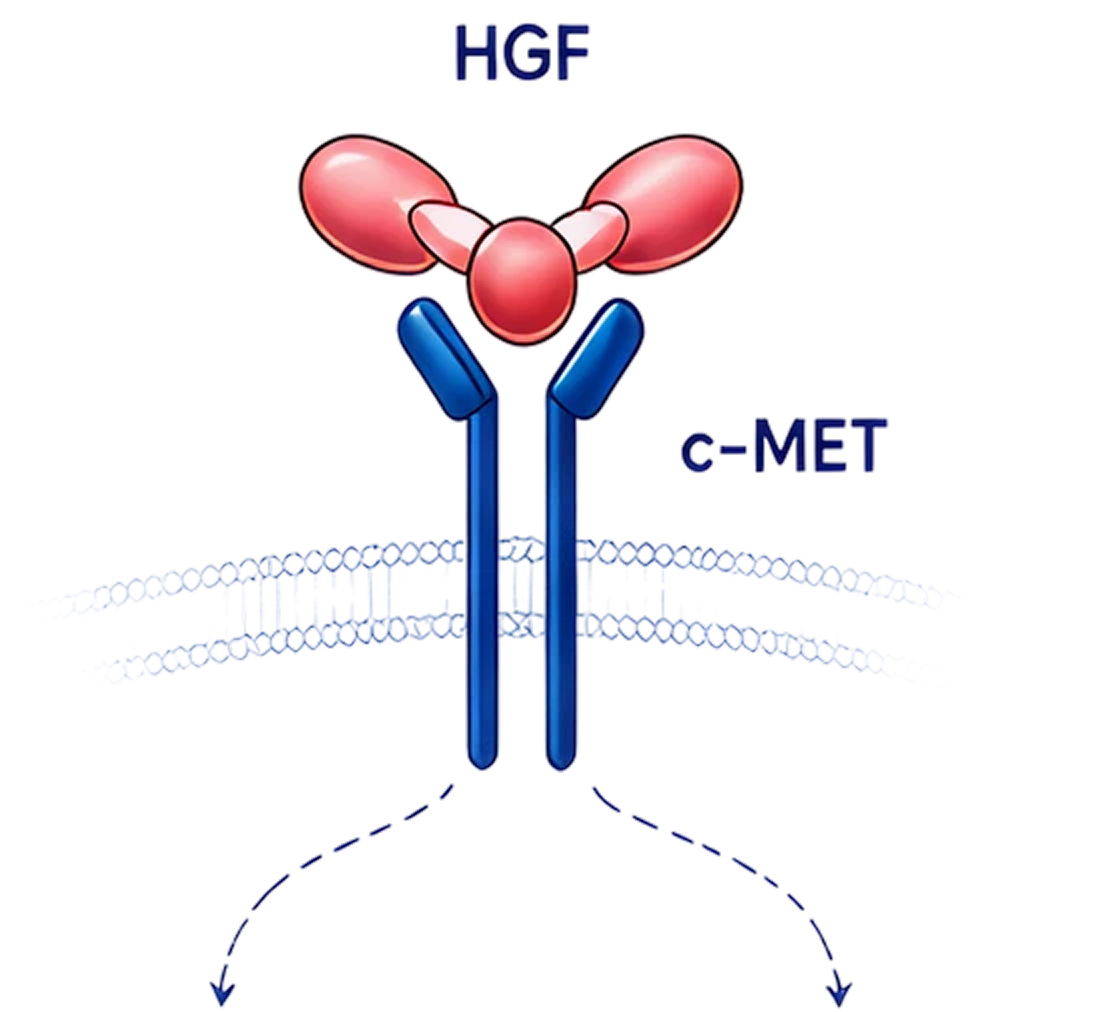
Survival – cytoprotection – metabolism
Anti-inflammation – angiogenesis – tissue repair

HGF signaling is protective but transient.WAV-301 is engineered for durability and early action.
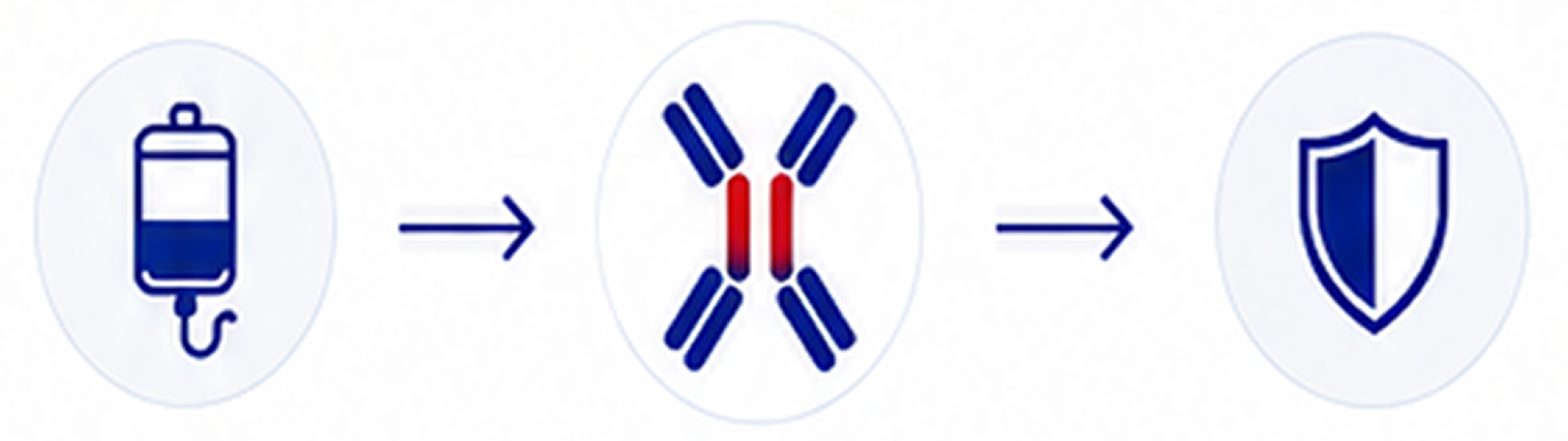
Administer WAV-301 during evolving ischemic injury and before reperfusion
Activate c-MET signaling to support endothelial integrity, perfusion and survival pathways
Limit reperfusion related injury progression, infarct expansion and downstream remodeling
Administered before PCI, WAV-301 protects the endothelium and arrests the wavefront of reperfusion injury before it spreads. Preserve more now; improve recovery later.
.png)
Preserve endothelial integrity and capillary perfusion to reduce no-reflow and microvascular obstruction after reperfusion
.png)
Limits apoptosis and necrosis in stressed but salvageable cells.
.png)
Mitigates adeverse remodeling and preserves long term organ function.
.png)
Long half-life molecules provide sustained activity during the critical period of tissue recovery.
.png)